



25 September 2026
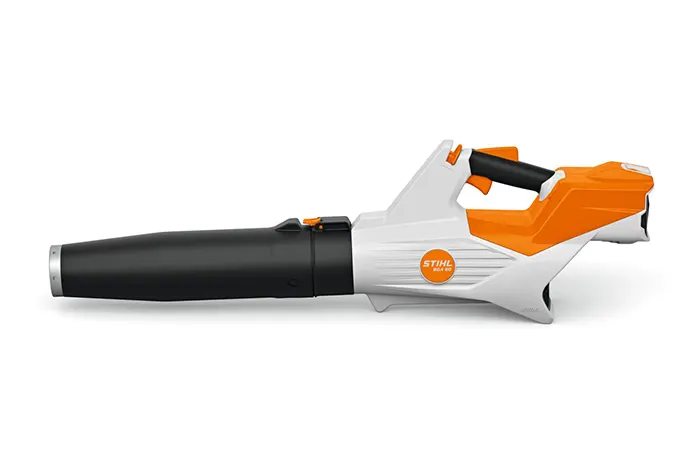
How to choose, use, and maintain an electric blower for New England conditions Autumn in Massachusetts is beautiful—until oak, maple, and pine debris blanket the lawn. For many homeowners, a battery-operated leaf blower offers a quieter, cleaner, and easier-to-maintain alternative to a gas model. Today’s cordless blowers have enough power for routine cleanup on driveways, patios, garden beds, and many small-to-medium lawns, without fuel mixing, pull starts, or exhaust at the point of use.
Battery blowers are especially practical in densely settled neighborhoods where noise carries from one yard to the next. They start with the press of a trigger, produce no onsite tailpipe emissions, and generally require less routine maintenance than gas equipment. Massachusetts energy-efficiency programs also promote battery lawn equipment, and eligible residents may be able to claim a rebate on a qualifying leaf blower.
Blower performance is usually described with two numbers: cubic feet per minute (CFM), which reflects the volume of air moved, and miles per hour (MPH), which reflects air speed. For Massachusetts lawns, prioritize enough airflow to move damp maple leaves and pine needles—not just dry clippings. A variable-speed trigger and turbo mode provide control around mulch beds while preserving extra power for stubborn piles.
Wet leaves are heavier and take more energy to move, so cleanup is faster after the lawn has dried. Work in sections, use lower power for light debris, and save turbo mode for compacted or damp piles. Instead of trying to push every leaf across the property, create several smaller piles near your collection or compost area. For larger yards, rotate charged batteries and allow warm batteries to cool before charging.
For most Massachusetts homeowners, a battery-operated leaf blower is a practical upgrade: quieter for the neighborhood, simpler to maintain, and capable of handling regular seasonal cleanup. Match the blower and battery capacity to your lot size and leaf load, check local operating rules, and compare available rebates before purchasing. With the right setup—and a spare battery for bigger jobs—you can clear the lawn efficiently without keeping gasoline in the garage.
For more information, contact Morse Engineering and Construction.



© 2025 Monnick Supply. All Rights Reserved. Created and Maintained by WSI Pro Marketing.