



31 August 2026
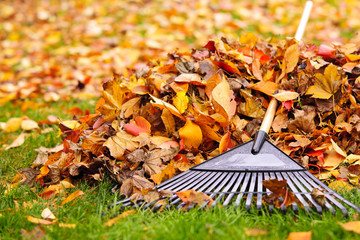
Fall is one of the most important seasons for lawn care in Massachusetts. After a hot, dry summer, your yard may be dealing with compacted soil, thin patches, weeds or tired-looking grass. The good news is that cooler temperatures, more consistent rainfall and active root growth make early fall the perfect time to repair damage and prepare your lawn for a healthier spring.
For Massachusetts homeowners, the best window for most fall lawn projects is typically late August through September, with some tasks continuing into October depending on weather and your location. Here is a practical checklist to help your lawn head into winter stronger, thicker and better protected.
Do not wait until every leaf has fallen before clearing the lawn. A heavy layer of leaves can block sunlight, trap moisture and encourage disease. Rake regularly, or mulch light leaf cover with your mower so it can break down and return organic matter to the soil.
Grass continues growing into the fall, even if it slows down. Keep mowing as needed and follow the one-third rule: never remove more than one-third of the grass blade at a time. For the final cuts of the season, aim for a lawn height of about 2.5 to 3 inches to reduce matting while still protecting the crown of the plant.
Summer foot traffic, dry spells and regular mowing can compact Massachusetts lawn soils. Core aeration removes small plugs of soil, allowing air, water and nutrients to reach the root zone. It is especially helpful in high-traffic areas, lawns with clay-heavy soil or yards where water tends to puddle after rain.
Early fall is a strong time to overseed because soil is still warm, weeds are less aggressive and cooler air helps new grass establish roots. Choose cool-season grass seed suited to Massachusetts, such as tall fescue, Kentucky bluegrass, perennial ryegrass or fine fescue for shadier areas. After seeding, keep the surface consistently moist until the new grass is established.
Fall fertilizer should support root development and winter resilience, not just quick blade growth. Use a product appropriate for your lawn and follow the label carefully. If you are unsure what your soil needs, consider a soil test before applying fertilizer or lime, since Massachusetts soils are often acidic and may benefit from pH adjustment.
New seed needs steady moisture to germinate. Water lightly and consistently after overseeding, then gradually return to deeper, less frequent watering as seedlings mature. Pay attention to local conditions: lawns on Cape Cod and the South Coast may stay milder longer, while central and western Massachusetts may need earlier timing before frost.
For help or more information, contact Monnick Supply in Marlborough or Framingham.



© 2025 Monnick Supply. All Rights Reserved. Created and Maintained by WSI Pro Marketing.