



22 October 2026
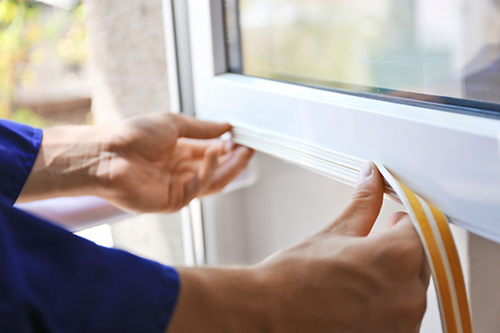
Massachusetts winters can bring freezing temperatures, strong winds, and heavy snow. Even small gaps around windows, doors, and other openings can let warm air escape and cold air enter, forcing your heating system to work harder. Before winter arrives, use these seven practical ways to reduce drafts and lower heating costs.
Inspect your windows for cracks or gaps around the frames. Apply caulk to stationary areas and replace damaged weatherstripping around movable sections. If you have older windows, interior window-film kits can provide an additional layer of insulation.
Cold air often enters beneath exterior doors and around worn frames. Install or replace door weatherstripping, and add a door sweep to close the gap at the bottom. Make sure the door closes firmly without leaving visible openings.
Heat rises, making the attic one of the most important areas to inspect. Adequate insulation helps keep warm air inside your living spaces and can reduce heat loss through the roof. Check around attic hatches, recessed lights, and ductwork for additional gaps.
Electrical outlets and switch plates on exterior walls can allow drafts to pass through. Foam outlet gaskets are inexpensive and easy to install beneath the covers. This small improvement can help reduce cold spots in rooms near outside walls.
Basements can introduce cold air through windows, doors, vents, and foundation cracks. Seal visible gaps with an appropriate material, and make sure basement windows close tightly. If you notice significant moisture or structural cracks, consult a qualified professional.
Schedule a professional heating-system inspection before the coldest weather arrives. Replace or clean filters as recommended, keep vents unobstructed, and make sure warm air can circulate throughout the home. A well-maintained system operates more efficiently and reliably.
Open curtains on sunny days to let in natural warmth, then close them after sunset to help retain heat. A programmable or smart thermostat can also reduce energy use by lowering the temperature while you are asleep or away and warming the home before you return.
Draft-proofing does not have to be expensive or complicated. By sealing common air leaks, improving insulation, maintaining your heating system, and managing indoor temperatures, you can make your Massachusetts home more comfortable while reducing unnecessary energy use. Start with the easiest improvements and schedule professional help for larger insulation, heating, or structural concerns.
For more information, contact Monnick Supply.



© 2025 Monnick Supply. All Rights Reserved. Created and Maintained by WSI Pro Marketing.